Pressure Washing vs Scrubbing: Best Uses for Each Method
Property owners in Rockhampton deal with a unique combination of cleaning challenges. Central Queensland's hot, humid summers, heavy seasonal rain, red dust, and tropical mould growth mean that driveways, roofs, decks, and walls need regular attention. Two of the most common cleaning approaches are pressure washing and manual or soft scrubbing. Each has clear strengths and limitations, and choosing the wrong method can leave surfaces damaged or only half clean. This guide explains how each method works, where it performs best, and how to decide which suits your property.
How Pressure Washing Works
Pressure washing uses a motorised pump to force water through a narrow nozzle at high pressure, typically measured in PSI or bar. Domestic machines commonly operate between 1,500 and 3,000 PSI, while commercial units can go considerably higher. The concentrated jet of water physically dislodges dirt, algae, oil residues, and loose coatings from a surface. Many professionals also use hot water or apply detergents before rinsing to improve results.
Advantages of Pressure Washing
- Speed: Large areas such as driveways, carparks, and paths can be cleaned in a fraction of the time it takes by hand.
- Deep cleaning of porous surfaces: High pressure reaches into the texture of concrete, pavers, and brick where dirt and mould spores settle.
- Removal of stubborn buildup: Grease, tyre marks, moss, lichen, and years of grime respond well to focused pressure.
- Consistency: A flat surface cleaner attachment produces an even finish without streaking.
- Reduced physical effort: The machine does the heavy work, which matters on large commercial or multi-storey properties.
Limitations of Pressure Washing
High pressure can easily damage the wrong surface. Soft timber, older render, painted weatherboards, fly screens, and roof tiles with deteriorating glaze can be gouged, stripped, or forced to let water in behind cladding. Using too narrow a nozzle or holding it too close can leave permanent lines on concrete and etch softer stone. Water can also be forced into window seals, electrical fittings, and eaves, leading to moisture problems later. Pressure washing also uses more water than scrubbing, so it is worth following any Queensland or local council water-use guidelines in force at the time.
How Scrubbing Works
Scrubbing relies on agitation rather than force. A cleaner applies a suitable detergent or biodegradable cleaning solution, allows it to dwell on the surface, and then works it in with a brush, broom, sponge, or microfibre pad. The surface is then rinsed with low-pressure water. This method includes soft washing, a technique widely used in Australia where low-pressure application of cleaning solutions is combined with gentle agitation or simple rinsing.
Advantages of Scrubbing
- Surface safety: Low pressure protects delicate materials such as painted surfaces, timber, cladding, and glass.
- Targeted control: A cleaner can concentrate on stains, corners, and edges where a jet might miss or cause damage.
- Lower water use: Less water is needed, making it a practical option during dry spells.
- Effective on organic growth: Cleaning agents break down mould and algae at the root so they are less likely to return quickly.
- Quieter and less disruptive: There is no loud motor, which suits homes with shift workers, small children, or businesses open to customers.
Limitations of Scrubbing
Scrubbing is slower and more labour-intensive, particularly on large or heavily soiled areas. It may not fully remove embedded grime from rough concrete or deeply textured pavers. Hard bristles can scratch some surfaces, so brush selection matters. For heavily stained driveways, scrubbing alone is rarely enough.
Best Surfaces for Pressure Washing
Pressure washing suits hard, durable, non-porous or well-sealed materials that can tolerate force. In Rockhampton, the most common applications include:
- Concrete driveways and paths: Oil, rubber marks, red dirt, and black mould are removed efficiently.
- Pavers and brick paving: Pressure cleans out joints and restores colour, though sand between pavers may need replacing afterwards.
- Pool surrounds and patios: Textured concrete or stone around pools can be cleaned for improved slip resistance.
- Commercial carparks, loading docks, and bin areas: Heavy grease and grime need powerful cleaning.
- Colorbond fencing and brick walls: These can be cleaned at moderate pressure with the correct technique.
- Machinery, trailers, and equipment: Useful for rural and light industrial properties around the region.
Best Surfaces for Scrubbing and Soft Washing
Gentler techniques are the better choice for surfaces that can be damaged by force or that carry biological growth on the surface rather than deep within it. Typical examples include:
- Painted weatherboard, rendered walls, and cladding: Low pressure protects paint and prevents water intrusion.
- Roofs: Concrete and terracotta tiles and metal roofing are usually cleaned with soft washing methods to avoid dislodging tiles or stripping coatings.
- Timber decks and pergolas: Soft brushing with a suitable cleaner prevents splintering and fibre damage.
- Windows, screens, and frames: Scrubbing keeps water out of seals and avoids damage to mesh.
- Outdoor furniture and awnings: Fabrics, cushions, and plastics clean best with brushes and mild detergent.
- Sandstone and other soft stone: These can erode under high pressure.
Considering Rockhampton's Climate
The local climate plays a significant role in how surfaces age. High humidity and warm temperatures encourage mould, mildew, and algae, particularly on south-facing walls, shaded paths, and under trees. After the wet season, many properties show black or green staining that returns quickly if only the surface is treated. Soft washing with a mould-killing solution often provides longer-lasting results on these organic growths than high pressure alone. Meanwhile, the fine red dust and vehicle grime common in the region cling to driveways and sealed areas, where pressure washing excels.

Strong UV exposure also weakens paint, sealants, and timber finishes over time. Surfaces that have been weathered by sun are more fragile, which is another reason to avoid excessive pressure on older coatings. Cleaning before repainting or resealing is important, and the method should match the surface condition.
Combining Both Methods for the Best Result
Many professional cleans use https://martinrwgu188.moderncairn.com/posts/how-to-safely-clean-gutters-and-downpipes-using-water-pressure both techniques together. A common approach is to apply a detergent or mould treatment, let it work, agitate stubborn spots with a brush, and then rinse at the appropriate pressure. On a typical home, this might mean:
- Soft washing the roof, walls, and eaves with a cleaning solution at low pressure.
- Scrubbing delicate areas such as window frames, screens, and timber features by hand.
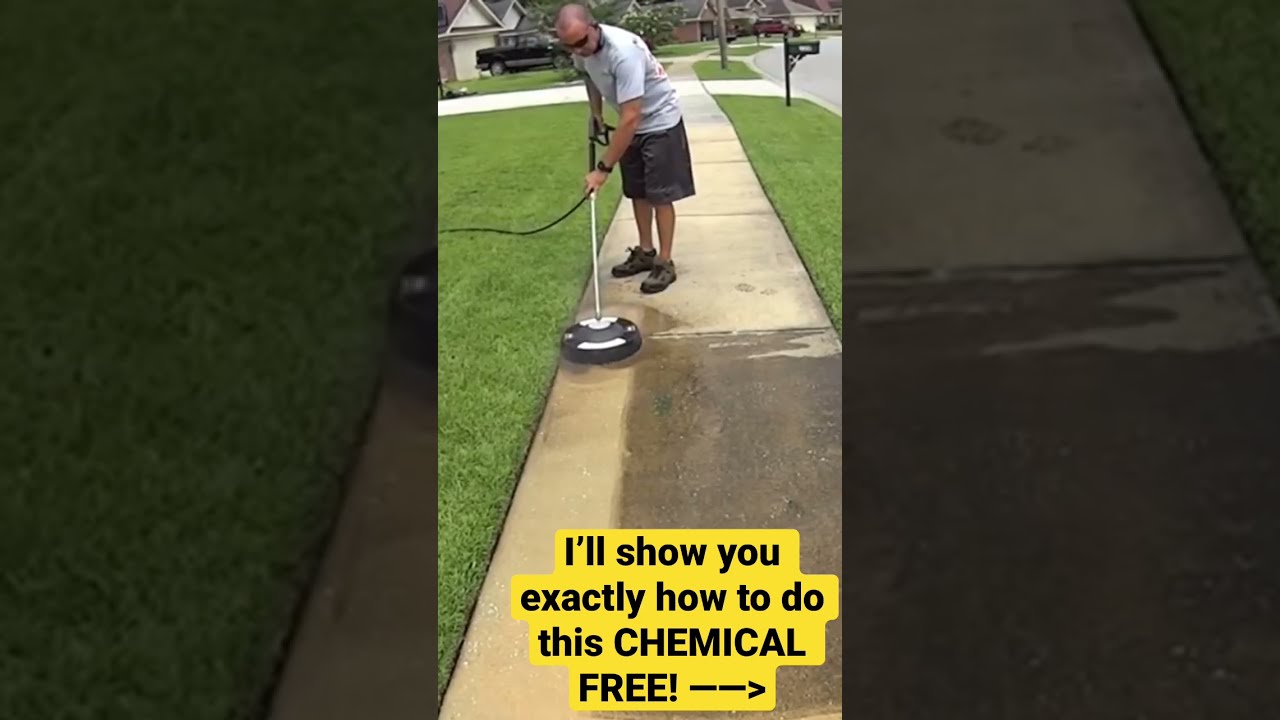
- Pressure washing the driveway, paths, and paved areas using a surface cleaner attachment.
- Finishing with a low-pressure rinse to remove residue and protect plants and gardens.
Choosing the Right Method: Key Questions
What is the surface made of?
Hard, durable materials tolerate pressure. Soft, painted, or older surfaces call for gentler techniques.
What type of dirt is present?
Embedded oil, rubber, and compacted dirt need pressure. Mould, algae, and light dust often respond better to detergent and light agitation.
How large is the area?
Large areas favour machines for efficiency, while small or intricate areas suit hand work.
What is the condition of the surface?
Cracked, flaking, or porous surfaces can be damaged by high pressure and may need repair or sealing after cleaning.
Safety and Environmental Considerations
Whichever method you choose, safety matters. Wear eye protection and closed footwear, keep nozzles away from people and pets, and never point a pressure washer at electrical boxes or light fittings. On wet surfaces, take care with slips, especially on ladders and roofs. Roof work in particular should be left to trained professionals with appropriate fall protection.
Runoff is also worth considering. Detergents, oils, and removed paint can wash into stormwater drains and eventually into local waterways, including the Fitzroy River catchment. Choose biodegradable cleaning products, divert wastewater to lawn or garden areas where suitable, and avoid cleaning near drains with harsh chemicals. Commercial operators often use containment and recovery methods to meet environmental expectations.
DIY or Professional Cleaning?
Simple jobs such as rinsing a small patio or scrubbing outdoor furniture are manageable for most homeowners. However, a professional is a sensible choice for roofs, multi-storey buildings, large driveways, heavily stained surfaces, and any job involving delicate finishes. Professionals have access to commercial-grade equipment, correct nozzles and surface cleaners, and treatments suited to local conditions. They also understand how much pressure each material can handle, reducing the risk of costly damage.
Conclusion
Pressure washing and scrubbing are not competing methods so much as complementary tools. Pressure washing delivers speed and power on hard, durable surfaces, while scrubbing and soft washing protect delicate materials and treat organic growth more gently. For Rockhampton properties, where humidity, dust, and sun all take their toll, the best results often come from matching the method to each surface and using both when needed. Assess your materials, understand the type of dirt you are dealing with, and if in doubt, consult a local cleaning professional to keep your home or business looking its best in 2026 and beyond.
Rockhampton Pressure Cleaning Pros
(07) 4065 8492